No homeowner forgets the first time a raccoon drags insulation across the attic like party streamers, or the night a squirrel turns a soffit into a chew toy. The scramble to get animals out often eclipses what matters most: keeping them from coming back. Long-term wildlife exclusion is less about traps and more about construction details, materials, and timing. It borrows from building science, roofing craft, and sometimes plain stubborn patience. Done right, it saves thousands of dollars and years of headaches. Done wrong, it becomes a seasonal chore.
I have worked jobs where a single thumb-size gap cost a client a new HVAC plenum, and I have sealed century homes that held up against bats, rats, and raccoons for ten winters straight. The difference is not a secret tactic or an exotic gadget. It is methodical inspection, an honest risk assessment, and durable work.
https://penzu.com/p/2d1ff56cb5e22dc2What “exclusion” really means
Wildlife exclusion is the practice of hardening a structure so animals cannot enter. It does not rely on poison and rarely requires permanent relocation. A good wildlife trapper understands animal behavior, but an excellent one builds like a finish carpenter who reads tracks. The aim is to close every viable route into attics, crawlspaces, ducts, and wall voids, then guide animals toward exits they cannot re-enter.
This is fundamentally different from the work of a wildlife exterminator, which focuses on lethal control. There are situations where lethal methods become necessary, usually tied to public health or invasive species rules set by state agencies. For most residential encounters, exclusion paired with humane removal wins on ethics, legality, and cost over time. Clients call it wildlife control, but the control we care about is at the edge of the structure, where fur meets flashing.
The cost of re-entry
The single most common way to spend money twice is to remove animals quickly, patch the obvious hole, then ignore less visible routes. Animals do not think about property lines, but they do remember pathways. A raccoon that birthed kits in your attic remembers the resonance of your rafters. Squirrels memorize fascia gaps like a map. If you leave an accessible food source, such as bird feeders or open compost, you are issuing a standing invitation. If you leave one construction gap in a dormer return, you are setting the table.
In practical terms, re-entry damage often looks like:
- Chewed conductors or low-voltage lines that fail months later during an HVAC call. Fouled insulation that compresses and loses R-value in patches, which causes ice dams or hot spots. Soffit panels pried up repeatedly, multiplying repair hours. Persistent odors from droppings that migrate into living areas, especially in summer.
It is not unusual for a house with a small entry gap to rack up 1,500 to 4,000 dollars in secondary damage within a year. That turns a 600-dollar removal into a 5,000-dollar project. Long-term wildlife exclusion flips that math.

Anatomy of an entry point
When I inspect a building, I work top to bottom, windward to leeward. Animals follow edges, a habit that tracks with wind, water, and thermals. The spots that matter are the seams in the envelope.
Roofline transitions are the first suspects. Step flashing where a wall meets a roof is often under-detailed. Squirrels love the soft wood at that corner, especially where a contractor left a 3/4-inch gap behind trim. Dormer returns and rake edge terminations create pry points. If there is vinyl or aluminum cladding, it can hide rot in the sub-fascia that gives teeth a purchase.
Soffit ventilation grilles or continuous vents sometimes warp or crack. I have seen bats fold themselves through gaps that look sealed at a glance. Ridge vents offer lift points if the cap nails backed out over time. A raccoon only needs leverage, not a flaw.
At the eaves, gutter guards and leaf build-up can push against drip edge and open a wedge. Down low, crawlspace vents often have screen wire that has rusted along one edge. Where plumbing and electrical services penetrate, original sealants shrink and fail. Sill plate to foundation lines are notorious: mortar joints crumble, creating gaps the width of a pencil.
Finally, chimneys. Crown cracks, warped spark arrestors, and open flues translate into raccoon nurseries in spring and bat entry in late summer. Masonry joints become handholds for climbers. Metal chase covers on factory-built fireplaces sometimes oil-can in heat, leaving a corner gap the size of a knuckle.
Materials that actually hold up
I have tested the cheap stuff. It causes callbacks. Exclusion that lasts uses materials chosen for animal pressure, UV, temperature swings, and dissimilar metal contact.
The backbone for most openings is 16 to 23 gauge galvanized hardware cloth with 1/4-inch mesh. Anything lighter gets folded or chewed. In rodent areas, 1/4-inch stainless steel mesh avoids rust creep, especially at coastal sites. For bats, where you are sealing hairline gaps, foam is not your friend. High-quality polyurethane sealant, rated for exterior use and movement, is the standard. On cold substrates, butyl sealant bites better than silicone. Polyether products perform well where sunlight cooks eaves.
Aluminum coil stock is common for wrap work, but use it with steel mesh carefully. Dissimilar metals sitting wet cause galvanic corrosion. If mixing metals is unavoidable, separate layers with a bead of sealant or a strip of EPDM. For ridge vents and long seams, stainless fasteners are cheap insurance.
Where animals test with teeth, wood is bait. Replace chewed trim with cement board or PVC if historic rules allow. On hidden sub-fascia and sheathing edges, treat raw wood with a borate solution before you close it up. That deters insects and slows rot, which is your enemy long before wildlife arrives.
Chimney caps and screens should be stainless with welded seams, not spot-welded shortcuts. Factory mesh on off-the-shelf caps is too wide for bats. Ask for 3/8-inch or add an inner layer. For fan housings and attic vents, custom-cut hardware cloth panels screwed to frames outlast the flimsy OEM louvers.
When trapping is part of the plan
A wildlife trapper earns their keep by knowing when not to trap. If animals are not inside, exclusion alone solves the problem. If animals are inside, sealing everything at once turns a removal into a rescue operation. In that case, you create one-way exits and hold your sealant until the building clears.
Timing is everything during maternity season. Raccoons typically birth in late winter or spring. Bats maternity colonies use attics and soffits mid to late summer. Sealing during those windows without a plan creates a worse problem. If I find pups or kits, I either stage a reunion outside after one-way exit or wait until the young can travel. State regulations often dictate this step, and a reputable wildlife control company follows them.
For rodents like rats and mice, trapping may be necessary alongside exclusion, because they burrow and gnaw. I rarely use poison baits in structures. Dead animals inside walls bring odor and flies, and the risk to pets and raptors is real. Snap traps and positive-bait stations, paired with a strict sealing plan, resolve most infestations cleanly.
The inspection ritual
Clients see the ladder and assume the roof matters most. It does, but the path to the roof might run from a gap at grade to a downspout to a ledger board. I walk the perimeter twice, first at eye level, then at knee level. I look for rub marks, smudges, and hair at edges. UV-faded stripes on siding sometimes outline traffic lanes. Guano stains under a soffit seam announce bats more reliably than any sound. Seed shells near a sill point to a mouse highway.
Inside, I follow insulation patterns in the attic. Trails flatten batts in arcs. Droppings in clusters near the eaves suggest bats or mice, scattered pellets near ridges suggest squirrels. Nesting material made of leaves usually means squirrels, ripped duct wrap points to rats, and shredded pink fiberglass is the raccoon calling card. I sniff. Musky odor near a chase hints at raccoons. Sharp ammonia at low points hints at rats. Those cues decide which exits I will build and where to stage one-way devices.
In crawlspaces, I bring a probe and a moisture meter. Animals follow damp edges, and rot draws them in. I check where sill meets stem wall, then the joist ends. If I can push a screwdriver into wood with thumb pressure, I note it as a chew-risk. I map utilities: every pipe and wire that pierces the envelope is a future patch. Good notes make good quotes.
Grading the risk
Not every gap needs a stainless cage. I rule out theoretical paths and focus on functional ones. The two-inch gap under a garage door matters only if the door meets storage or a stairwell that opens into the living space. If the garage is sealed and the door sweep to the house is tight, I rate that as low risk. A 3/4-inch void along a porch ledger with old carpenter bee holes nearby is high risk in a squirrel-heavy neighborhood.
Tree proximity changes the calculus. If a limb overhangs within four feet of a roof edge, assume direct access. If a gap is 12 feet up a brick wall, and there is no adjacent trellis, the risk drops unless you are dealing with raccoons. Past history matters. Once a species has imprinted a route, it returns. I keep a simple scale: low, moderate, high, and priority. Priority items are active holes or spots with fresh sign. Those get same-day attention.
Sealing for the seasons
Materials expand and contract, sealants age, and animals test during specific weather. Squirrels push most in late fall as the first cold fronts move through. Raccoons test in spring, often before dawn. Bats move at dusk and dawn through summer. I schedule the final seal for late morning on a dry day. Adhesives bond best above 40 degrees Fahrenheit. In winter, I keep butane torches and heat guns to warm metal and masonry before applying sealant.
On roofs, I set ridge reinforcements in cooler hours so materials are not too pliable. Down low, I avoid sealing crawlspace vents shut, for obvious moisture reasons. Instead, I fit damper-style inserts for winter that still allow some air flow, then add hardware cloth inside the frame. For masonry gaps, I pack copper mesh before sealant. Steel wool rusts out. For wider holes, I backfill with cut foam but only as a filler, not a barrier, then cover with mesh and sealant.
Chimney work gets its own day, because it involves safety and sometimes masonry cure time. If a flue is in use, I choose caps that can handle temperature swings and draft without whistling. I run smoke tests after the cap goes on to confirm draw.
Vent covers, one-way doors, and exit timing
One-way devices are simple levers that let animals out but not back in. For squirrels, a spring-loaded door over the active hole works well. For bats, a net or tube that allows exit without readmission is standard. Placement must be precise. Too far off the hole and animals will find the seam next to it. Too tight and the door binds.
I leave one-way devices in place for at least three nights of good weather. Rain and high wind suppress movement. If no sounds come from inside after that window, I pull the device and seal the last opening. For bats, I extend that to a full week to be safe, and I always observe at dusk from the ground on at least one night. Counting bat exits teaches humility. A “small” colony can be 100 strong.
Sometimes, you run into a stubborn raccoon that wants back in. That animal will pry at new seals for days. This is where material choice pays off. Galvanized mesh, fastened through solid substrate with screws and washers, defeats persistence. If I suspect a determined animal, I add a second layer offset, which prevents teeth from getting purchase on a single edge.
Landscaping and habits that tip the balance
Most calls end at the roofline. Many start at the bird feeder. A homeowner insists the feeder is fine because it is on a pole. I point to the arc of shells under the eaves and the gnaw marks on the downspout. Food attracts visitors. Visitors notice opportunities. If we are serious about wildlife exclusion that lasts, we solve for attractants.
Trim trees so no limbs overhang the roof within six to eight feet. Secure trash in containers with locking lids. Move compost away from structures and cover it, or switch to enclosed tumblers. Feed pets indoors. If you must have a feeder, pick one with a baffle and place it far from the house, then clean under it weekly. Water sources like leaky hose bibs draw animals and insects, which in turn draw more animals. Fix the drips.
At ground level, install a kickout flashing where roof pitches feed into walls. This small triangle of metal stops water and discourages chewing at that weak point. Around decks, consider buried mesh aprons to block burrowers. Four to six inches down and eight to twelve inches out at a 45-degree angle usually does the trick. Do not pour a slab skirt unless you are ready to handle water that now needs a new path.
Historic homes and hard judgement calls
On older structures, aesthetics and rules matter. You cannot simply wrap a 1910 gable in coil stock and call it done. I work with the homeowner to match profiles and preserve sight lines. Sometimes that means custom millwork in rot-resistant wood with hidden mesh behind. It takes longer, but it avoids a tacked-on look.
Bats in historic homes are a frequent challenge. They exploit tiny gaps along beadboard and crown details. I have spent afternoons on a ladder with a headlamp and a flexible nozzle, running a bead along a shadow line. It is patient work, especially if you cannot remove the trim. The reward is a silent dusk and a grateful client.
When a structure is fundamentally compromised, exclusion alone is not honest. If the roof deck is spongy, if fascia crumbles under a finger, or if the chimney is shedding bricks, repairs precede exclusion. I document with photos and plain language. The line between wildlife control and carpentry blurs here, and a good team straddles it.
The service model that prevents callbacks
Some companies sell removal first, exclusion later. The future belongs to those who quote the whole job up front, with a scope that reads like a punch list. I break labor into inspection, active removal if needed, primary sealing, and follow-up. I price materials transparently, down to linear feet of mesh and tubes of sealant. It builds trust, and it forces me to plan well.
I guarantee my exclusion work for one to three years depending on substrate and species pressure. The guarantee is only as good as the work behind it. That means I take photos of every seam sealed, every vent covered, and every known gap. I store them in a file. When a call comes in a year later about scratching, I can verify whether we touched that area. Most of the time, the noise is on the outside, testing a seam that holds.
For homeowners who want to DIY, I am generous with advice. Still, I tell them to avoid the three big mistakes: sealing animals inside, using foam as a barrier, and ignoring the secondary routes. If they hit a snag with a bat colony or a persistent raccoon, I step in. That partnership often turns into a full exclusion later.
Case notes from the field
A two-story colonial with new vinyl siding kept getting squirrel traffic. The installer had wrapped the soffit returns clean, but the baffles above the attic insulation had been installed too short. Air washed through cavities, and the cold spots pushed squirrels to test that corner. They found a 1-inch void behind a J-channel at a dormer. We removed two courses of siding, installed longer baffles, sealed the sheathing seam with butyl, added 1/4-inch mesh behind the J-channel, then re-hung the siding. The squirrels worked the seam for two days, then moved on. The attic temperature evened out by about 3 degrees, which reduced ice dam formation that winter.
In a ranch with a hip roof, bats used a ridge vent with plastic baffles that had warped under heat. Instead of replacing the vent with the same product, we installed a metal ridge system with an internal stainless mesh strip. We paired that with a dusk watch to confirm exit paths, then ran tubes for a week. The owner’s main request was no visible change from the street. From ground level, the profile looked identical, but the mesh layer made all the difference. No re-entry in five seasons and counting.
An urban brick rowhouse had rats breaching the sill line. The foundation mortar had failed along a twelve-foot stretch. The owner had sealed with spray foam repeatedly. Every week, new holes. We raked out mortar to a half-inch depth, packed copper mesh, and tucked-pointed with a lime-cement mix compatible with the old brick. Then we raked out the interior sill gaps and sealed with polyether. Trapping reduced the active population, but the exclusion line did the lasting work.
Compliance, ethics, and neighbors
Wildlife laws vary by state and municipality. Some require permits for bat exclusion during maternity season. Some forbid relocation of raccoons beyond a property line. If you hire a wildlife removal service, ask how they handle these rules. If a company cannot cite the local regulations, they are guessing. Guessing invites fines and failed outcomes.
Neighbors matter. If you remove animals from your home but the food source sits three doors down, pressure persists. I have mediated short porch conversations to ask a neighbor to secure their trash or cap their chimney. It feels awkward. It pays dividends. A block that aligns on the basics reduces calls for everyone.
Maintenance that respects the work
Exclusion is not a one-and-done promise against storms and time. It is a resilient shell that needs checks. The right cadence is seasonal or semiannual.
Here is a compact checklist to keep the envelope tight:
- Walk the perimeter after the first hard freeze and after the first spring thunderstorm, looking for lifted edges or fresh gnaw marks. Clear gutters and confirm drip edge sits tight to fascia; look for nests in downspouts. Scan ridge vents, soffit panels, and gable vents for warping or gaps, and test screens with a light tug. Verify utility penetrations remain sealed around cable and HVAC lines; reseal if you see hairline cracking. Keep vegetation trimmed back, and recheck tree clearance after storms.
Little checks like these protect big investments. They also reveal small problems before animals do.
Choosing help and knowing what to ask
If you call a wildlife control company, ask to see photos of similar exclusion work. A gallery of trapped animals tells you nothing about their carpentry. Ask about materials by name: gauge of mesh, sealant type, fasteners. Listen for hedging. Ask whether they use foam as a barrier. If they say yes, keep looking. Ask about guarantees and what voids them. Good outfits are clear. Great ones teach you what they plan to do before they do it.
You can also ask for a staged approach if budget is tight. Tackle priority and high-risk items first, then schedule the rest. Just know that partial work leaves openings. Animals exploit the weak link, so plan the second phase soon.
What success looks like
A quiet attic at dusk. A chimney that sheds rain cleanly and nothing else. Insulation that holds its loft. No seeds scattered in the soffit, no whiskers in the crawlspace dust. On a windy night, the house creaks as houses do, not as raccoons pry. Months pass, then seasons, and you forget to worry. That is the quiet payoff of thoughtful exclusion.
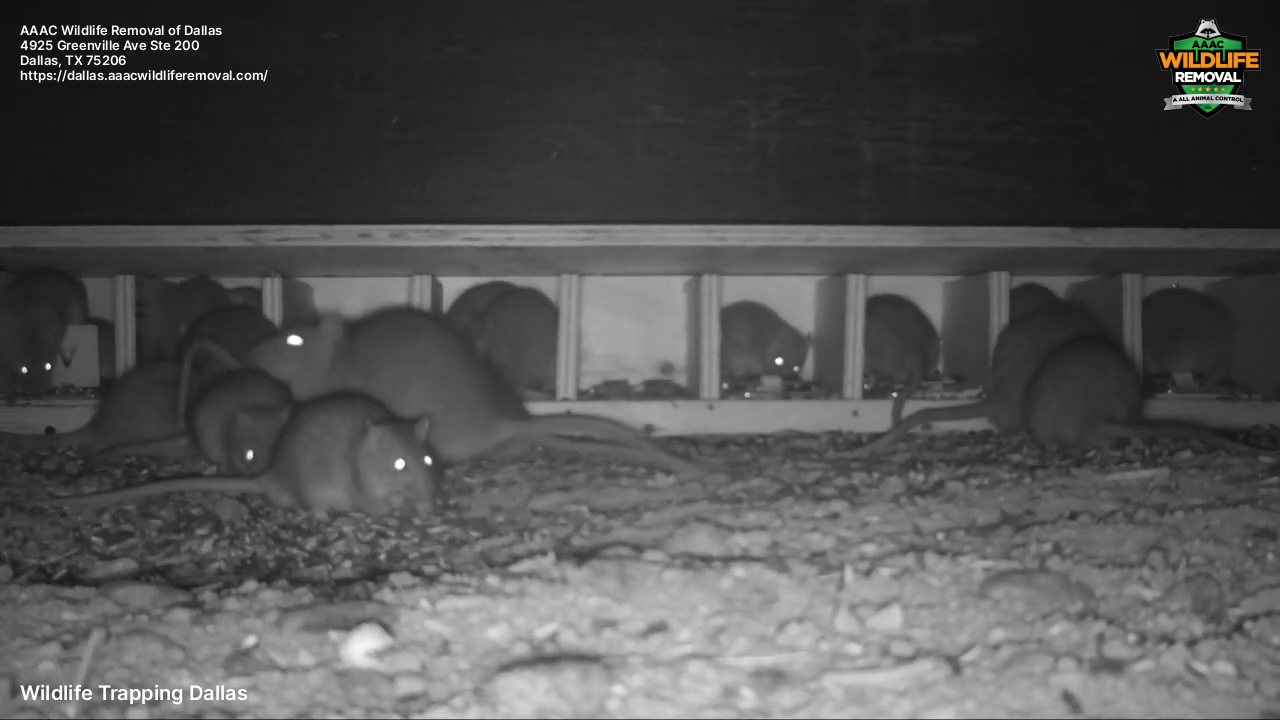
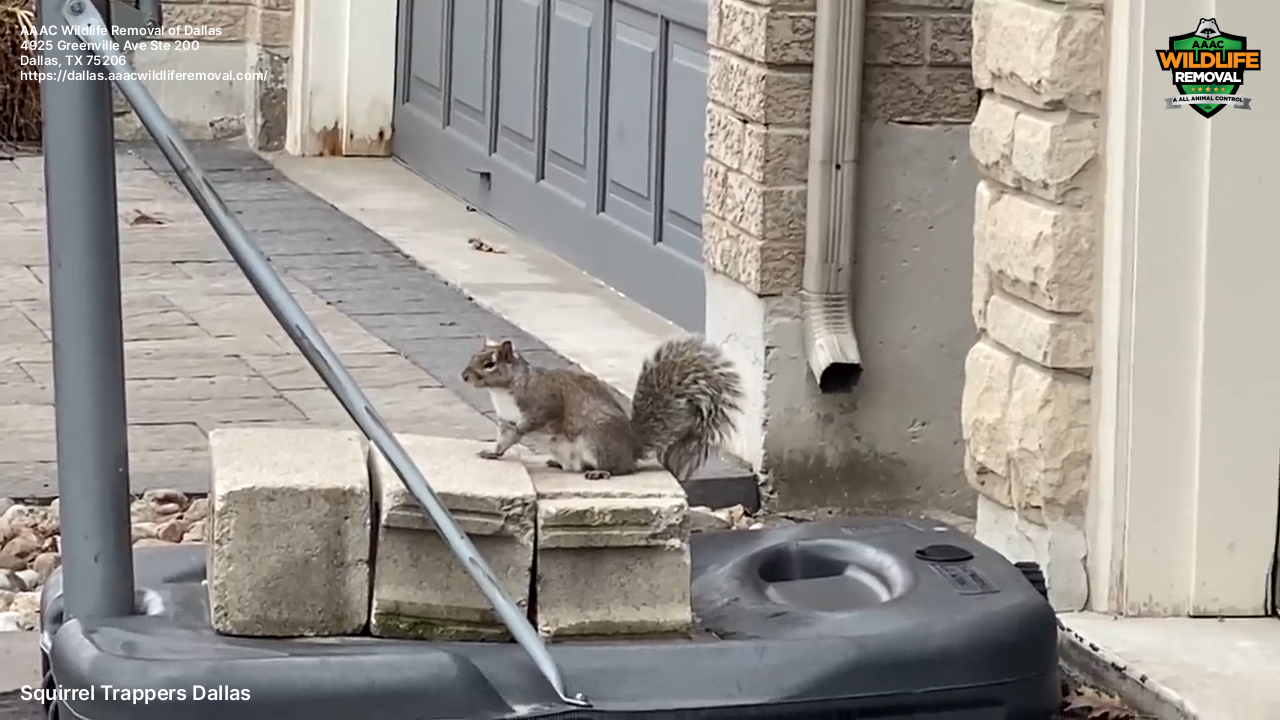
In the end, the animals are not villains. They are opportunists, relentless and efficient. Our job is to remove the opportunity. That means understanding how buildings age, how materials move, and how animals test edges. Do that work well, and the traps get dusty. The best wildlife trapper I know spends most of his time with tin snips and a caulk gun. He smiles at the empty cage in the truck bed. That is what success sounds like.